.webp)


Dental implants in Tuscaloosa have revolutionized modern dentistry, offering a long-lasting solution for missing teeth. With a success rate above 95%, they’re considered one of the most reliable tooth replacement options, remaining stable and natural-looking even years after placement.
However, when dental implants do fail, peri-implantitis is often the leading cause. This gum infection can weaken the bone holding your implant in place, putting your investment—and your oral health—at risk. If you’re considering implants, understanding how to prevent this is key.
What Is Peri-Implantitis?
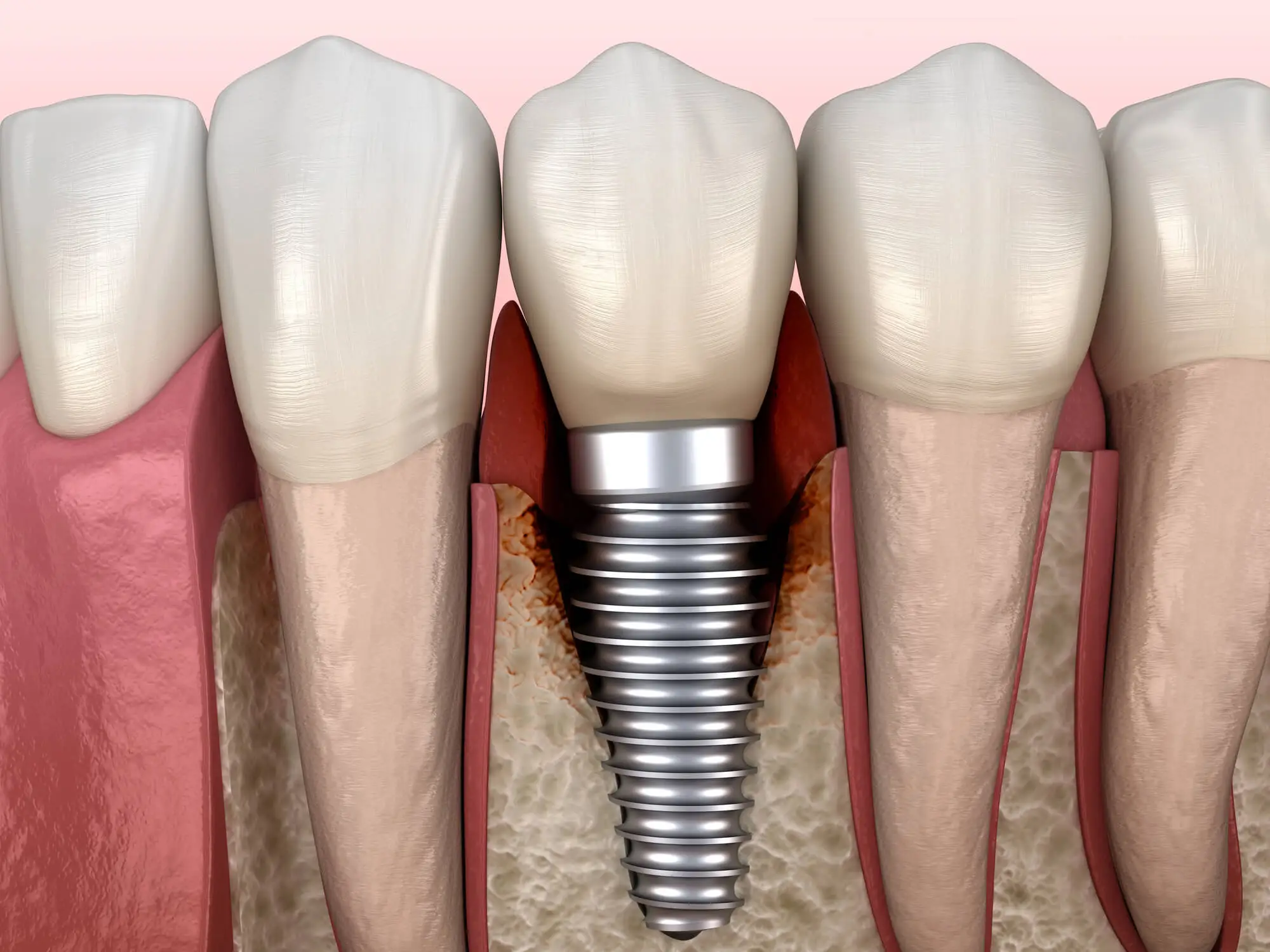
Peri-implantitis is an inflammatory condition that affects the soft and hard tissues surrounding a dental implant. It’s similar to gum disease, but with one key difference: instead of affecting a natural tooth, it targets the implant itself.
This infection can lead to bone loss, gum recession, and eventually implant failure. Luckily, if caught early, peri-implantitis can often be managed with non-surgical deep cleanings, localized antibiotics, or laser therapy.
In more advanced cases, surgical treatments such as flap surgery, bone grafting, or even implant removal may be necessary, which is why prompt identification is crucial to the long-term health of your new restoration.
What Causes Dental Implants to Fail?
Despite being made of titanium and not being susceptible to decay like natural teeth, dental implants can suffer from the same bacteria that causes periodontal disease. This happens due to various reasons, such as:
- Poor oral hygiene
- Frequent smoking or tobacco use
- Uncontrolled diabetes
- Previous history of gum disease
- Lack of regular dental checkups
- Improper implant placement
- Excessive biting force or bruxism (teeth grinding)
Unlike typical tooth decay, implant failure can be silent at first, making early detection crucial.
Recognizing the Symptoms of Peri-Implantitis
Many patients are unaware that they have peri-implantitis until the condition has progressed because it frequently begins painlessly. To avoid that, it’s important to keep an eye out for these warning indicators:
- Gums surrounding the implant that are red, swollen, or bleeding
- Persistent bad breath or a bad taste in your mouth
- Pus or discharge from the implant site
- Loosening of the implant
- Gum recession or exposure of the implant post
- Discomfort when biting or chewing
If you notice any of these symptoms, contact your periodontist or implant dentist immediately.
Is Peri-Implantitis a Dental Emergency?
Yes—peri-implantitis should be treated as a dental emergency. While the progression can be slow, ignoring it allows bacteria to destroy bone tissue that supports your implant. Delaying treatment increases the chances of losing the implant completely and needing more extensive surgical repair.
How Can I Prevent Peri-Implantitis?
The best way to protect your implants is through consistent, proactive care. Here's what we recommend:
- Brush twice a day with a soft-bristled toothbrush and low-abrasive toothpaste
- Floss daily using implant-safe tools like floss threaders or water flossers
- Use an antimicrobial rinse as directed by your dental professional
- Avoid smoking, which significantly increases implant complications
- Visit your dentist or periodontist every 3–6 months for maintenance cleanings and exams
Additionally, early-stage intervention at the first sign of inflammation can stop peri-implantitis in its tracks.
Keep Your Dental Implants in Tuscaloosa Healthy with a Preventive Approach
Dental implants are a life-changing investment, but like natural teeth, they require care and professional oversight. Peri-implantitis is preventable—and treatable when caught early.
If you’re experiencing symptoms or want to make sure your implants are healthy, don’t wait. Schedule a dental implant evaluation with Northport Periodontics and Implant Dentistry, and let’s work together to make sure your investment lasts a lifetime!