.webp)

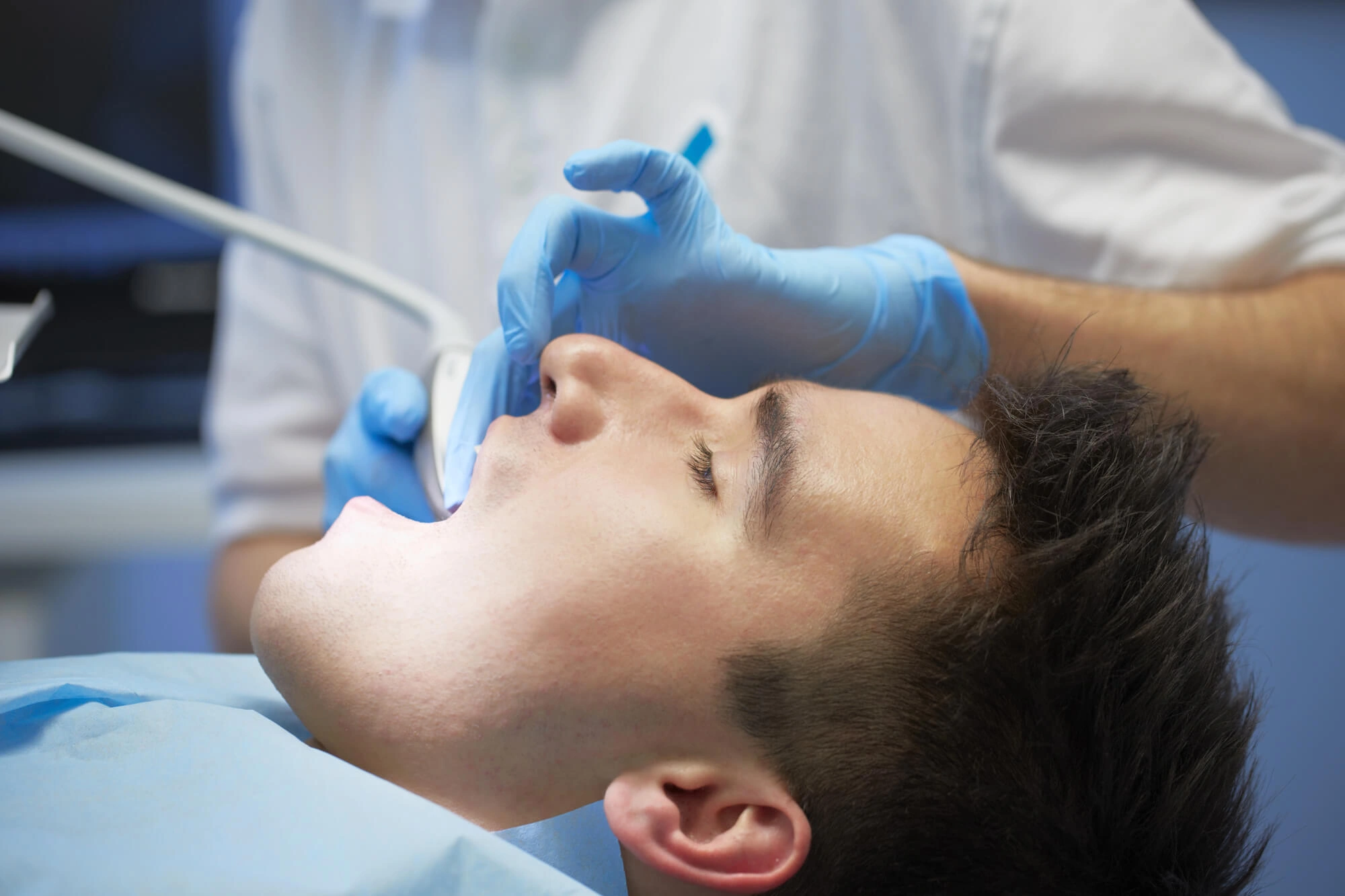
Strong, healthy jawbone is the foundation of successful dental implant treatment. For some patients, bone grafting for dental implants is recommended before implant placement to restore lost bone, improve stability, and create the support needed for a long-lasting smile. Understanding why this procedure may be necessary can help you feel more confident about your treatment plan.
A bone graft can also help restore the natural contours of the jaw after bone loss has occurred. By addressing weakened areas before implant placement, your periodontist can create a more suitable environment for the implant to heal and integrate properly. This careful preparation can support both function and appearance over time.
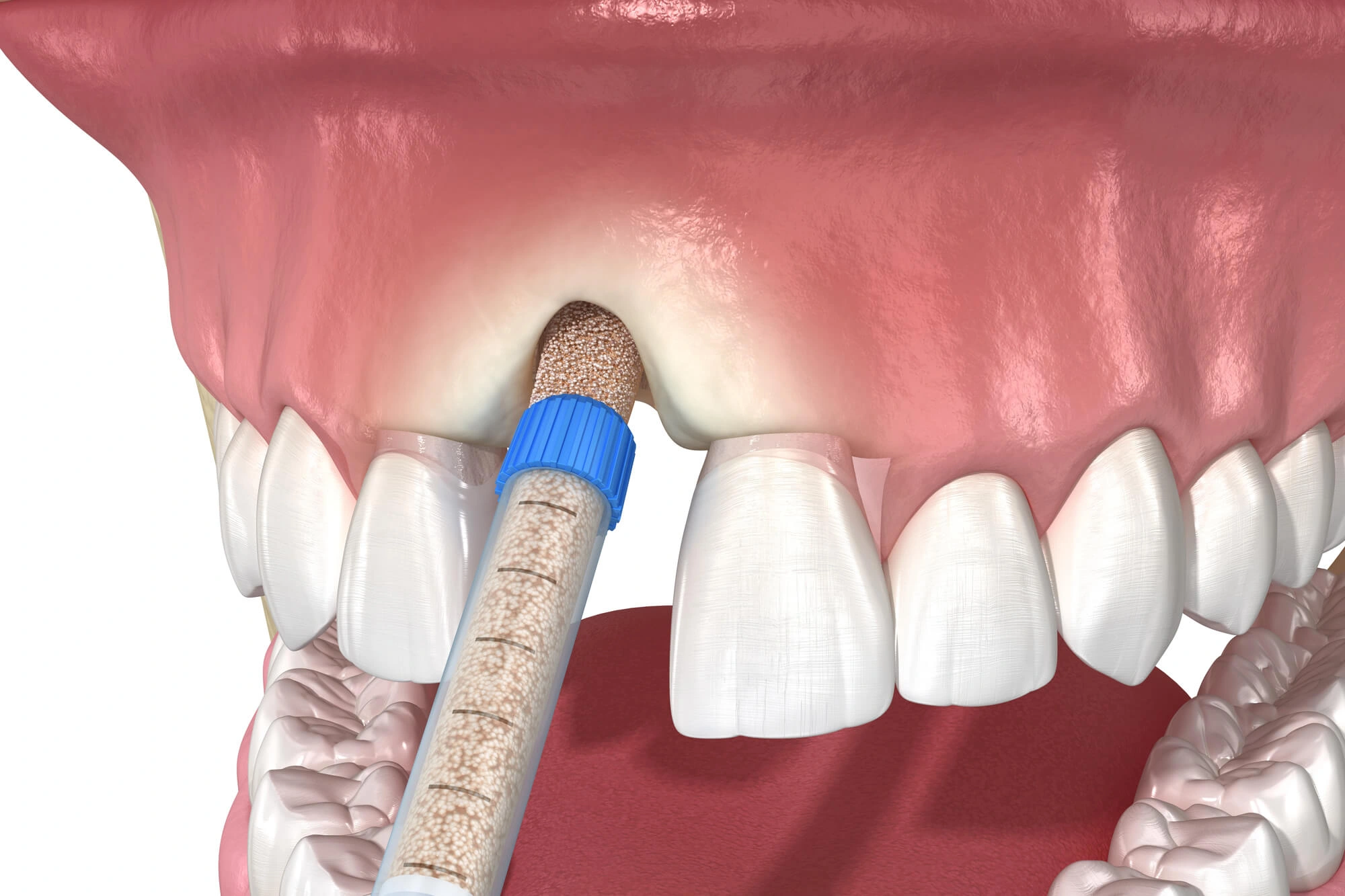
Why Is Bone Grafting Needed?
Dental implants are designed to function like natural tooth roots, which means they need sufficient bone for support. If the jawbone has deteriorated due to tooth loss, gum disease, or trauma, there may not be enough healthy bone to securely hold an implant.
Bone grafting rebuilds areas of weakened or missing bone by placing grafting material where additional support is needed. Over time, the body integrates the graft with existing bone, creating a stronger foundation for future implant placement.
This extra step can significantly improve the long-term success of dental implants while helping preserve your facial structure and oral health.
What Causes Jawbone Loss?
Bone loss doesn't happen overnight. After a tooth is lost or extracted, the jawbone no longer receives stimulation from the tooth root. As a result, the bone gradually begins to shrink. Over time, this reduction can affect the height and width of the jawbone, potentially making it more difficult to place a dental implant without additional treatment. Early treatment can help preserve remaining bone and simplify future implant treatment.
Other common causes of jawbone loss include:
- Advanced periodontal disease
- Dental trauma or injury
- Long-term missing teeth
- Infections affecting the jawbone
- Certain medical conditions that impact bone health
The longer a missing tooth goes untreated, the greater the chance that bone loss will occur, potentially making implant treatment more complex.
Benefits of Bone Grafting Before Dental Implants
Bone grafting does more than prepare your mouth for implants—it also supports your long-term oral health. Restoring bone volume helps improve both function and appearance while increasing the likelihood of successful implant integration.
Some key benefits include:
- Creates adequate support for dental implants
- Improves implant stability and durability
- Helps preserve natural facial contours
- Reduces the effects of jawbone deterioration
- Supports better long-term oral function
- Increases the predictability of implant treatment
Your periodontist will evaluate your jawbone using advanced diagnostic imaging to determine whether bone grafting is recommended before implant placement.
What Should You Expect During Recovery?
Bone grafting is a routine procedure that many patients tolerate well. Recovery varies depending on the size and location of the graft, but most patients experience mild discomfort that can be managed with prescribed or over-the-counter medications and by following post-operative instructions.
Healing takes time because the graft must integrate with your natural bone before an implant can be placed. While the timeline differs for every patient, allowing the graft to heal properly helps create the strongest possible foundation for your new tooth.
Your periodontist will monitor your healing and determine when you're ready to move forward with implant treatment.
What Happens If You Don't Have Enough Bone?
Attempting to place an implant in an area with inadequate bone may make it difficult to achieve the stability required for successful treatment. Depending on the severity of bone loss, the implant may not have enough support or may not be positioned appropriately.
For this reason, your periodontist may recommend rebuilding the area before implant placement rather than moving forward immediately. Bone grafting provides an opportunity to address the underlying bone deficiency first, potentially creating better conditions for the implant and surrounding tissues.
This individualized approach can make the overall treatment process longer, but taking additional time to establish a stable foundation can be an important part of achieving predictable, long-term results.

Frequently Asked Questions About Bone Grafting
1. Is bone grafting always required before dental implants?
No. Patients with sufficient healthy jawbone may be able to receive dental implants without a separate grafting procedure. Your periodontist will determine whether grafting is necessary based on your bone volume and implant treatment plan.
2. Is bone grafting painful?
The procedure is performed with anesthesia to keep you comfortable during treatment. Some soreness, swelling, or tenderness may occur afterward, but these symptoms are typically temporary and can often be managed with medication and proper aftercare.
3. How long does a bone graft take to heal?
Healing time varies depending on the size and location of the graft and the patient's individual healing response. Some grafts may require several months before the area is ready for implant placement.
4. Can I get dental implants after significant bone loss?
In many cases, yes. Significant bone loss does not necessarily prevent you from receiving dental implants. Bone grafting may be used to rebuild the jaw and provide the support needed for implant treatment.
5. What happens after the bone graft heals?
Once your periodontist confirms that the graft has healed sufficiently and adequate bone has developed, the next stage of implant treatment can be planned. This may involve placing the dental implant and continuing with the restoration process.
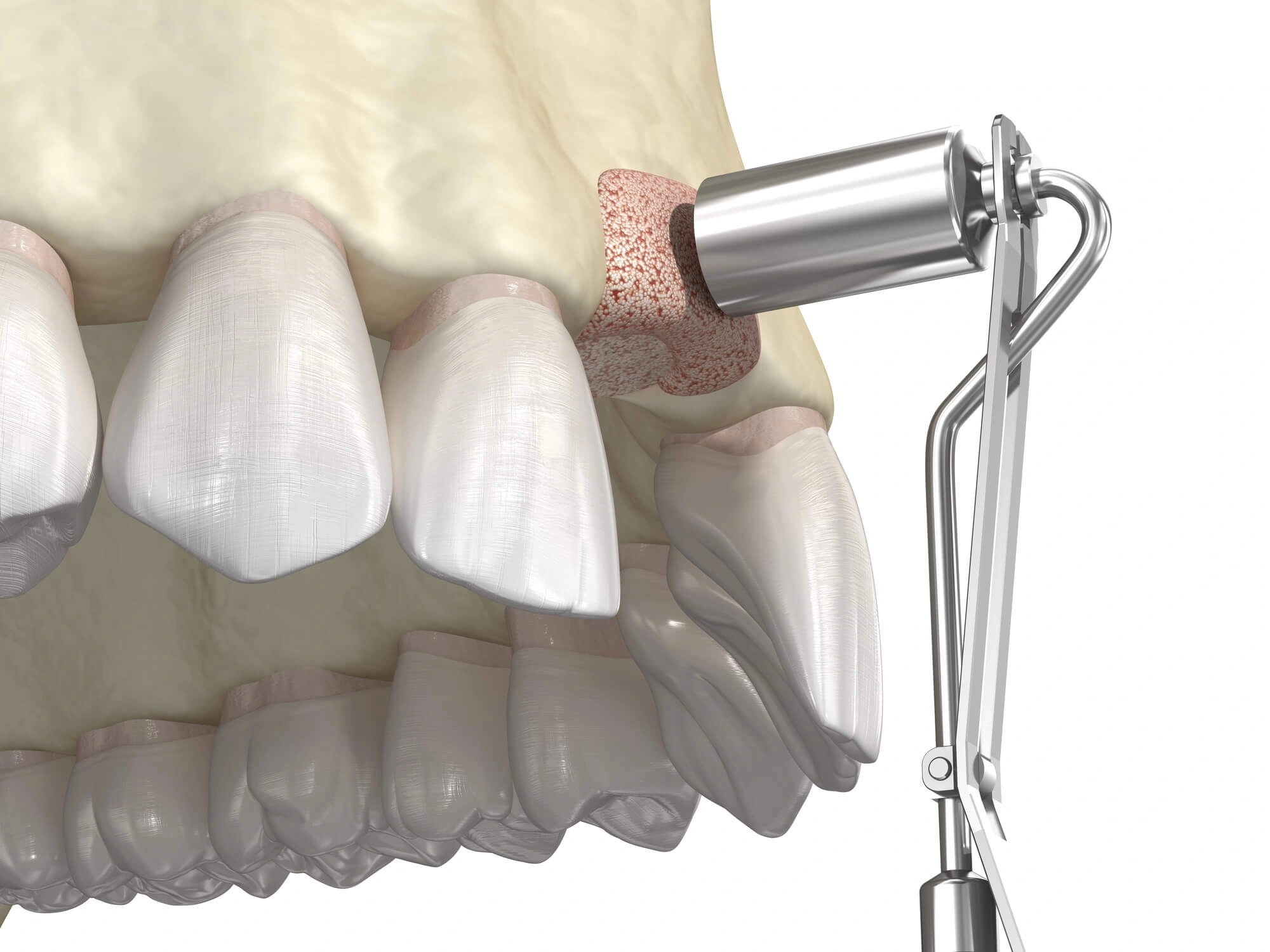
Learn More About Bone Grafting for Dental Implants
If you've been told you have insufficient jawbone, bone grafting for dental implants may be the first step toward restoring your smile. Rebuilding lost bone can improve implant success, strengthen your jaw, and provide lasting support for replacement teeth.
At Northport Periodontics and Implant Dentistry, patients receive personalized periodontal and implant care in a welcoming, professional environment. As one of only two periodontics practices in West Alabama and home to the area's only board-certified periodontist, the practice is committed to helping patients achieve healthy, lasting results through advanced treatment planning and compassionate care. Schedule a consultation to find out whether bone grafting is the right step toward rebuilding your smile.