.webp)

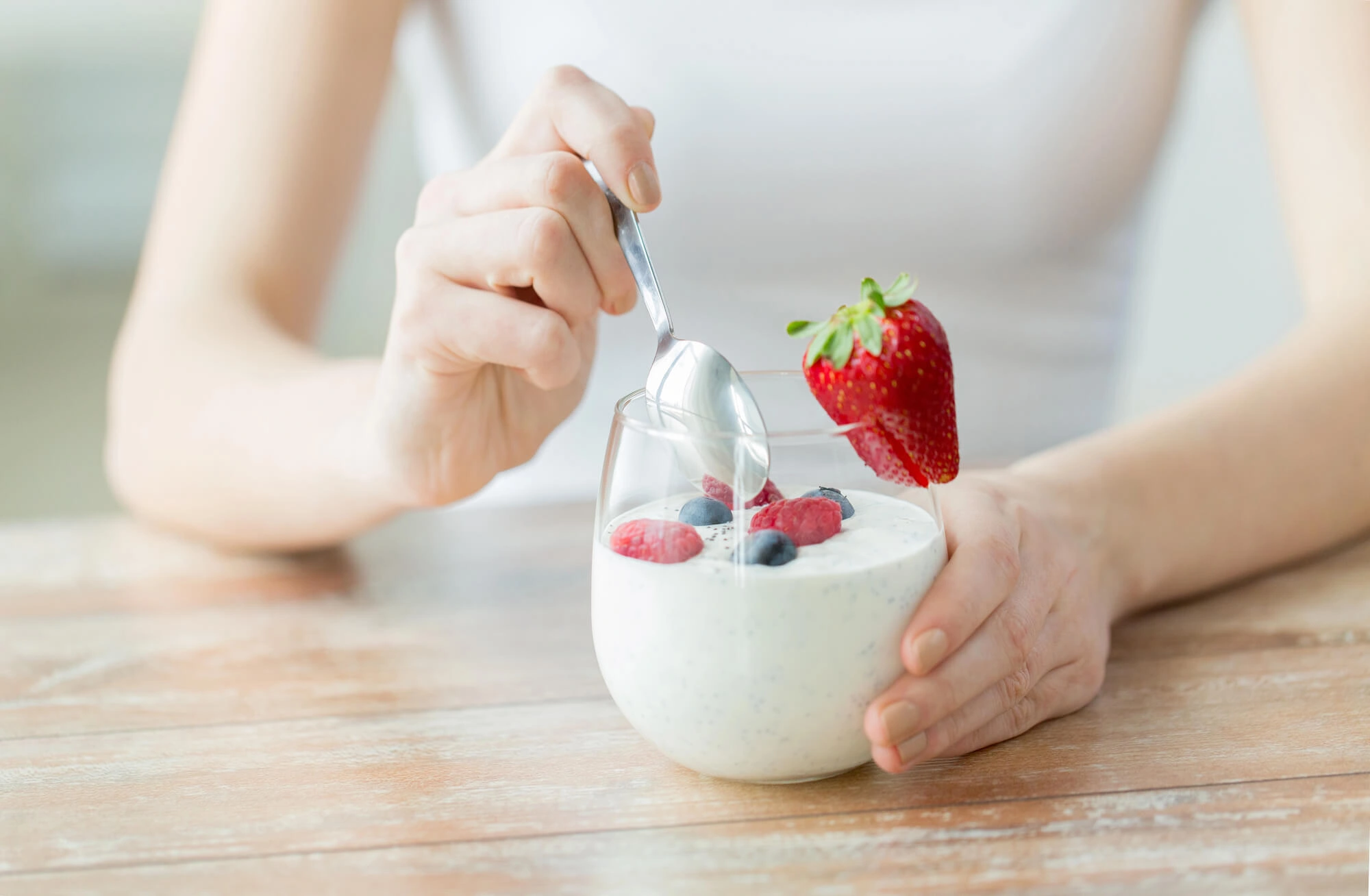
Choosing the right foods can help you feel prepared for dental implant surgery and support your recovery afterward. Eating nutritious, easy-to-chew foods before and after treatment can help your body heal while reducing irritation around the surgical area. Knowing what to eat before and after dental implant surgery can also make the recovery process more comfortable.

What Should You Eat Before Dental Implant Surgery?
Before dental implant surgery, focus on balanced meals that provide protein, vitamins, minerals, and enough calories to support your body. Unless your periodontist gives you specific fasting instructions, eating a nutritious meal before your appointment may help you feel prepared for the procedure.
Good options may include:
- Eggs or other protein-rich foods
- Soft vegetables and fruits
- Rice, oatmeal, or other grains
- Yogurt or other suitable dairy products
- Lean meats, fish, or other protein sources
If you are receiving sedation, your periodontist may give you different instructions about when to stop eating or drinking before your appointment. Always follow the instructions provided by your dental team rather than relying on general dietary recommendations.
What Can You Eat After Dental Implant Surgery?
After surgery, your mouth may feel tender, and chewing can be uncomfortable. Soft foods that require little chewing are generally easier to manage during the first few days of recovery. Choosing foods that are gentle on your mouth can help you avoid unnecessary pressure around the implant site.
Consider foods such as:
- Mashed potatoes or soft vegetables
- Scrambled eggs
- Smooth soups served lukewarm
- Yogurt or pudding
- Applesauce and soft fruits
- Oatmeal
- Smoothies without seeds or hard ingredients
- Soft fish or other tender proteins
As your mouth heals, you can gradually return to a more normal diet based on your periodontist's recommendations.
What Foods Should You Avoid After Dental Implant Surgery?
Some foods can irritate the surgical area or require excessive chewing, particularly while your mouth is still healing. Hard, crunchy, sticky, spicy, or very hot foods may be uncomfortable and should generally be avoided until your dental team says they are safe.
You may also need to avoid foods with small pieces or seeds that could become lodged around the surgical site. Alcohol and smoking can also interfere with healing, so follow your periodontist's instructions regarding these habits during recovery.
How Does Diet Support Before and After Dental Implants?
Good nutrition is an important part of preparing for and recovering from dental implant treatment. Protein, vitamins, minerals, and adequate hydration can help support normal healing, while softer foods can make eating easier when your mouth is sensitive.
Every patient's recovery is different, so dietary recommendations may depend on the number and location of implants and the type of procedure performed. Your periodontist can provide personalized guidance based on your treatment plan and healing progress.
Frequently Asked Questions
Can I eat normally before dental implant surgery?
You may be able to eat normally before surgery unless your periodontist provides fasting or other dietary instructions.
How long should I eat soft foods after dental implant surgery?
The length of time you need soft foods depends on your procedure and healing, so follow the specific instructions provided by your dental team.
When can I return to my regular diet?
You can generally transition back to regular foods as your mouth heals and your periodontist confirms that chewing is appropriate.
Book Your Visit to Know What to Eat Before and After Dental Implants
Knowing what to eat before and after dental implant surgery can help you prepare for treatment and make recovery more comfortable. At Northport Periodontics and Implant Dentistry, our team provides personalized guidance to help patients understand what to expect throughout the dental implant process. Schedule a consultation to discuss your treatment and recovery plan.