.webp)

If you've been told you need a bone graft before getting dental implants, one of your first questions may be, "Will it hurt?" You are not alone; this is one of the most common concerns patients have before the procedure.
Dental bone grafting is generally well-tolerated, and with modern techniques and sedation options, most patients experience minimal discomfort. In this guide, we'll cover what to expect before, during, and after, so you can be confident and well-prepared.
Why Is Bone Grafting Needed for Dental Implants?
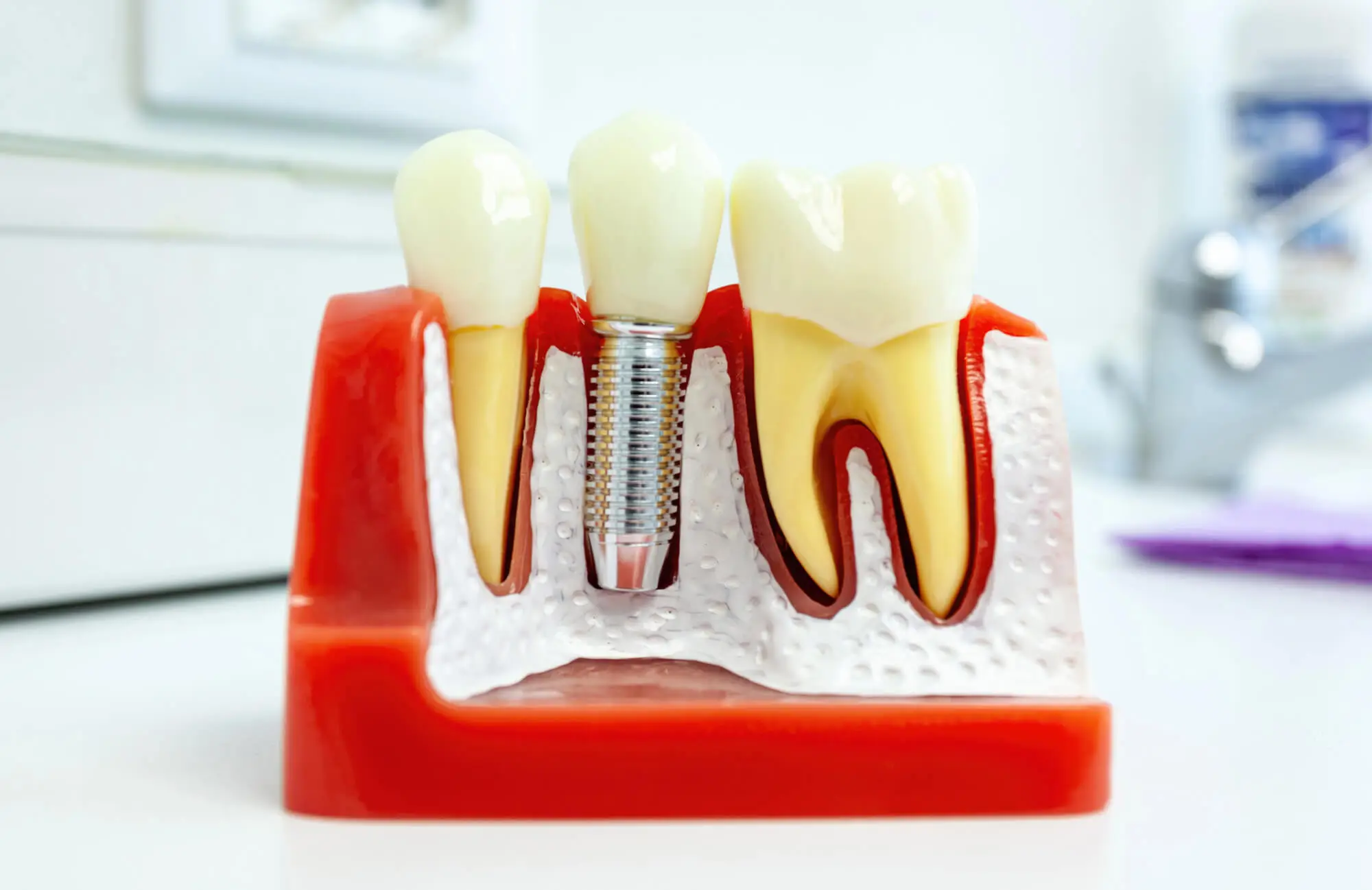
Dental implants are among the most effective restorative treatments in dentistry. Unlike bridges, which are anchored to your surrounding teeth, or dentures, which depend on suction and sometimes denture adhesives, implants take root in your jawbone.
This not only provides them with unparalleled stability, but it also helps keep your jawbone healthy and stimulated. However, this also means implants need a dense, stable base to attach to.
When it isn’t thick or dense enough to support a dental implant, bone grafting is often recommended for your jawbone. This can happen due to:
- Tooth loss (especially if the area has been missing a tooth for a while)
- Gum disease (periodontitis) that has damaged the surrounding bone
- Injury or trauma to the jaw
- Natural bone resorption over time
A successful bone graft lays a strong, stable foundation for the implant, increasing the chances of long-term success.
Does Bone Grafting for Dental Implants Hurt?
You will not feel any pain during the procedure. Most dental bone grafts are performed under local anesthesia, and many practices provide sedation dentistry (such as oral or IV sedation) to ensure your complete relaxation.
After the anesthesia wears off, mild to moderate soreness is normal, similar to what you might experience after a tooth extraction. However, discomfort is generally manageable with:
- Over-the-counter pain relievers (like ibuprofen or acetaminophen)
- Prescription medications, if necessary
- Ice packs to reduce swelling
- Soft foods and rest in the first 24–48 hours
Most patients report that the discomfort fades significantly after the first few days.
What to Expect Before, During & After Bone Grafting
Before the Procedure
Your periodontist or oral surgeon will use X-rays or a CT scan to determine your bone volume. You will be given detailed preoperative instructions, which may include fasting if you are undergoing IV sedation.
During the Procedure
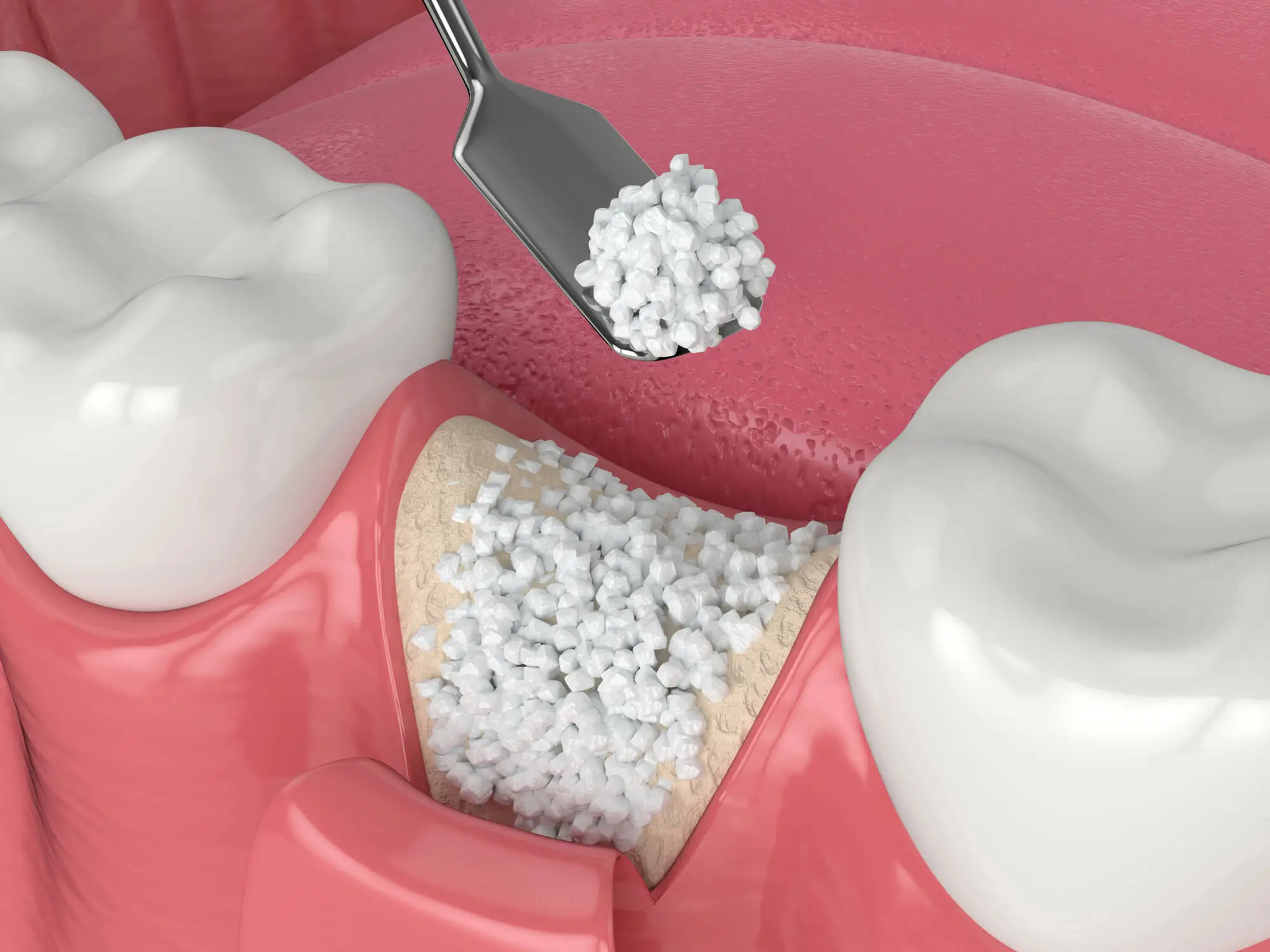
You’ll be numbed and/or sedated to avoid discomfort. Then, a small incision is made in your gum. Graft material (synthetic, donor, or from your own body) is placed in the area, which is then covered and stitched to heal.
Most bone graft procedures take under an hour.
After the Procedure
It’s common to experience minor swelling, soreness, or bruising after bone graft surgery. Your dentist will provide detailed aftercare instructions on how to manage these, but common recommendations include:
- Follow a soft food diet for a few days
- Avoid strenuous activity for 48–72 hours
- Attend your follow-up appointments for monitoring
Healing usually takes a few months before your implant can be placed, but you’ll be guided every step of the way.
How Long Does Pain Last After Bone Grafting?
Most discomfort is mild and peaks within the first 48–72 hours. By day 3 or 4, you should feel significantly better. Total healing of the graft site occurs over 3 to 6 months, but pain is not ongoing during this entire period.
If pain persists after a few days or you notice signs of infection (such as persistent swelling, fever, or pus), contact your healthcare provider immediately.
Schedule a Gentle Bone Grafting for Dental Implants and Regain Your Full Smile
If you’ve been avoiding dental implants due to concerns about bone grafting, now’s the time to talk to a specialist at Northport Periodontics and Implant Dentistry. Schedule your consultation today to determine if you’re a candidate and receive a customized plan that prioritizes your comfort and long-term success!