.webp)


Gum disease is a progressive condition that can damage your gums, bone, and teeth if left untreated. Periodontal scaling and root planning is a highly effective non-surgical treatment that removes harmful bacteria below the gumline and helps restore gum health. By treating gum disease early, this procedure can reduce inflammation, slow disease progression, and help preserve your natural smile.
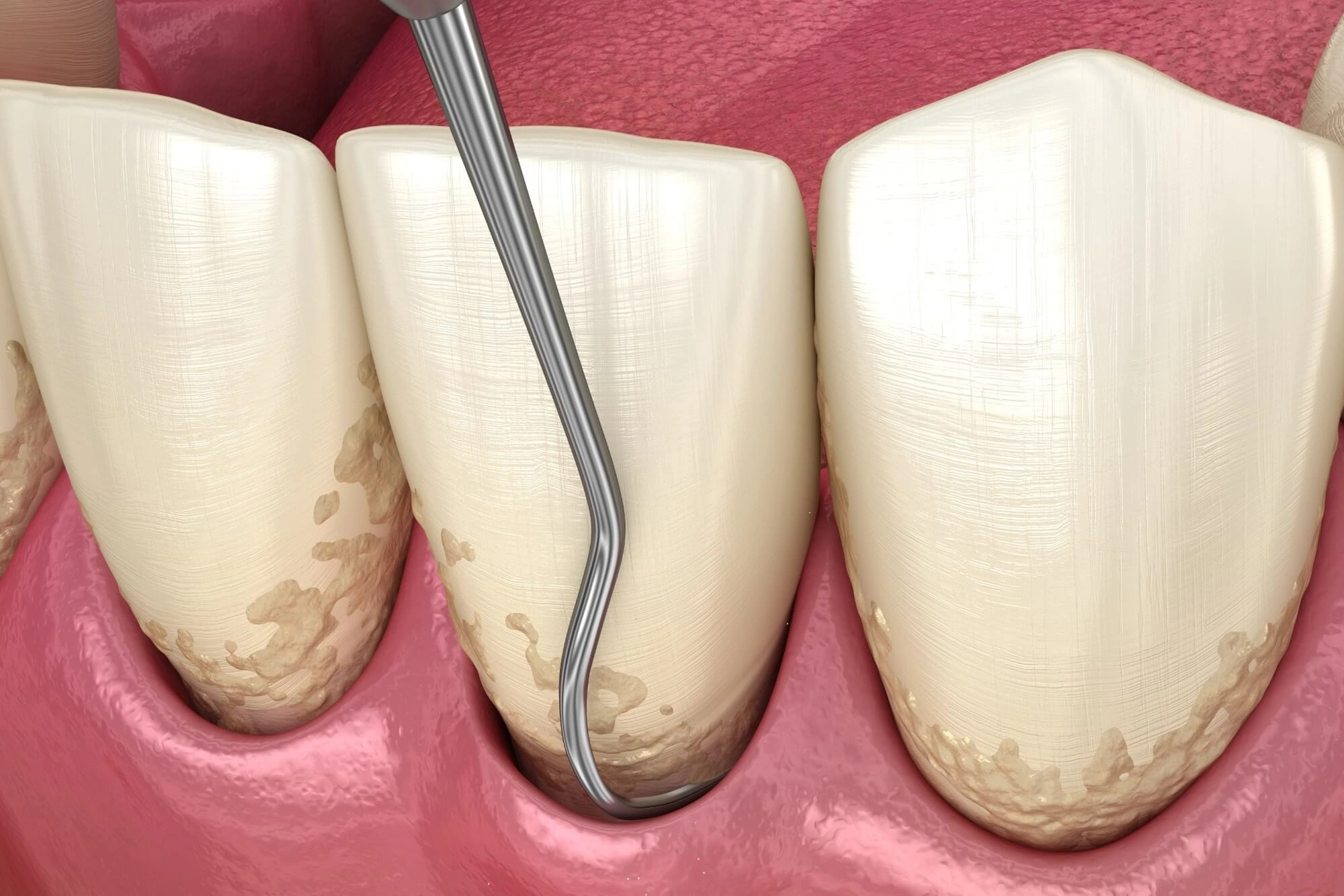
What Is Scaling and Root Planing?
Scaling and root planing is often referred to as a deep cleaning because it targets areas beneath the gums that routine dental cleanings cannot reach. When plaque and tartar accumulate below the gumline, they create an environment where bacteria thrive, leading to infection and inflammation.
During the procedure, your dental professional carefully removes plaque, tartar, and bacteria from the tooth surfaces and beneath the gums. The tooth roots are then smoothed to help the gums reattach more securely and make it more difficult for bacteria to accumulate again.
When Is This Treatment Recommended?
Scaling and root planing is commonly recommended for patients showing signs of periodontal disease. Early treatment can help prevent the condition from becoming more severe and reduce the likelihood of tooth loss.
Common signs that may indicate the need for treatment include:
- Red, swollen, or tender gums
- Bleeding while brushing or flossing
- Persistent bad breath
- Deep pockets between the teeth and gums
- Loose teeth caused by advanced gum disease
A comprehensive periodontal examination helps determine whether this treatment is the right solution for your oral health.
How Scaling and Root Planing Helps Treat Gum Disease
The primary goal of scaling and root planing is to eliminate the bacteria responsible for gum disease and create an environment where your gums can begin to heal.
This treatment offers several important benefits:
- Removes plaque and hardened tartar below the gumline
- Reduces gum inflammation and bleeding
- Helps shrink periodontal pockets
- Encourages healthy gum reattachment
- Lowers the risk of future bone and tooth loss
- Supports better long-term oral health
Many patients notice healthier gums and improved comfort after healing, especially when the treatment is combined with excellent home care and routine periodontal maintenance.
What Should You Expect After Treatment?
Following scaling and root planing, it is normal to experience mild tenderness or temporary tooth sensitivity for a few days. These symptoms usually improve as your gums heal.
Caring for Your Gums After Scaling and Root Planing
Good oral hygiene is essential to maintaining the results of your treatment.
Your dentist may recommend that you:
- Brush twice daily using a soft-bristled toothbrush.
- Floss every day.
- Use any prescribed antimicrobial rinse as directed.
- Attend regular periodontal maintenance appointments.
- Avoid tobacco products to promote healthier gums.
With consistent care, many patients successfully manage gum disease and reduce the risk of future periodontal complications.
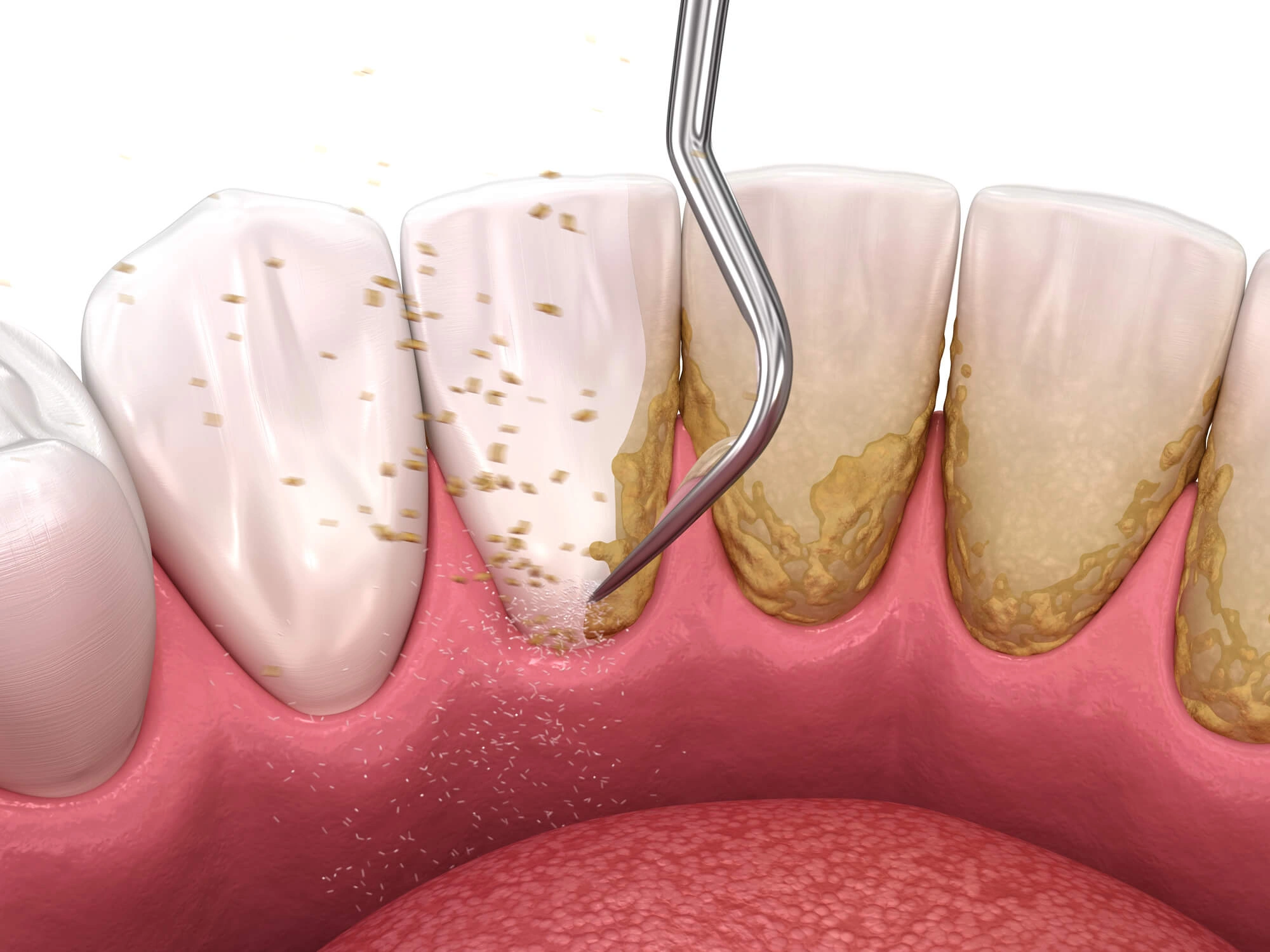
Schedule a Consultation for Periodontal Scaling and Root Planning
Treating gum disease early can help protect your teeth, gums, and overall oral health. At Northport Periodontics and Implant Dentistry, the team provides comprehensive periodontal evaluations and personalized treatment plans designed to manage gum disease and preserve healthy smiles. Schedule your consultation today to learn whether scaling and root planing is the right step toward improving your periodontal health.