.webp)

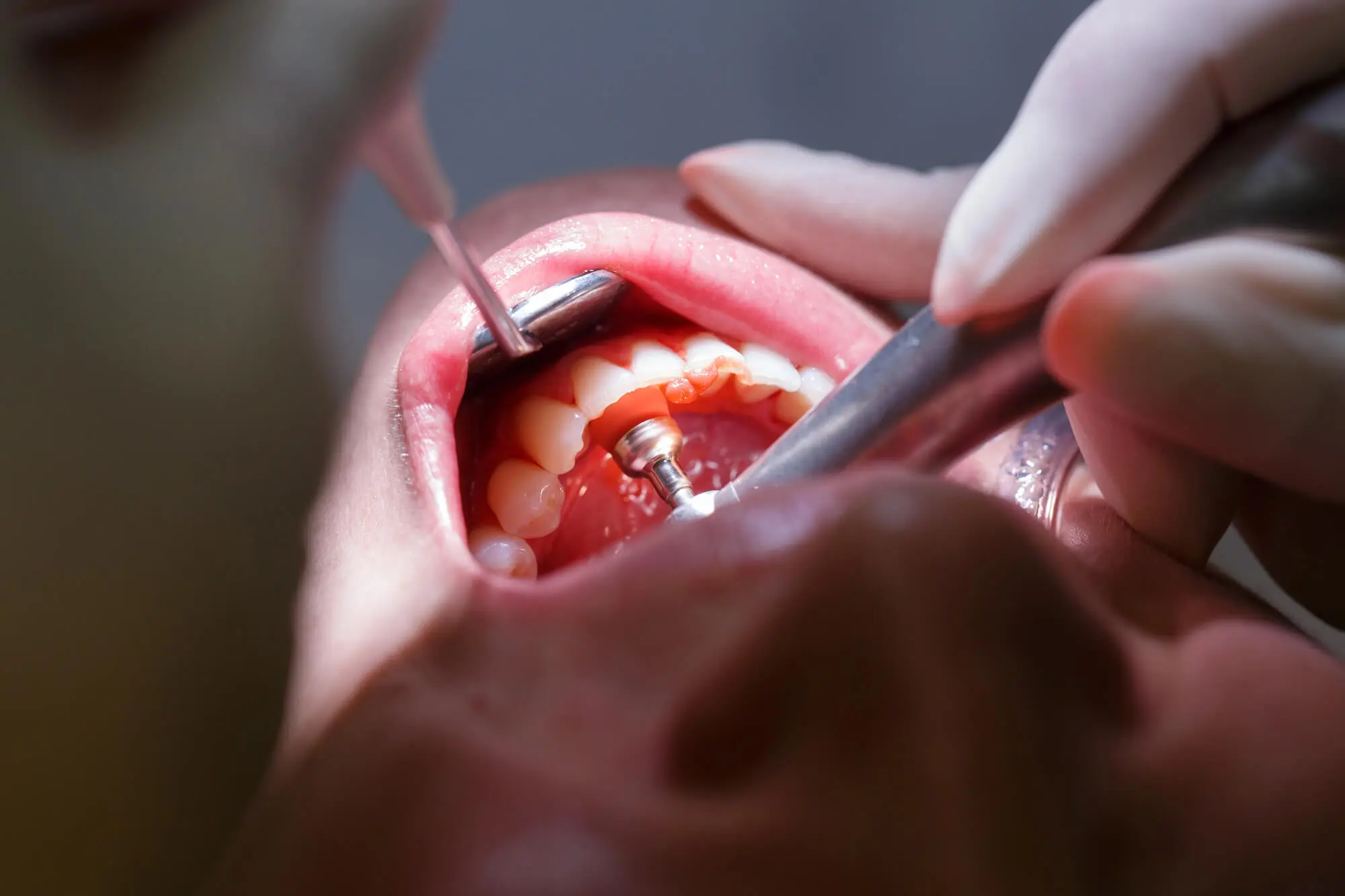
Gum disease isn’t only a damaging disease—it can be very invasive and frustrating, noticeably impacting your quality of life. Bleeding gums, persistent bad breath, or gum recession are just a few of the unwanted symptoms that advanced periodontitis can bring. Luckily, with expert periodontal scaling and root planning, you can, maybe not eliminate these issues, but mitigate their consequences.
Now, how do periodontists conduct these treatments? Are they enough to treat gum disease? The answer depends on the severity of your condition—but one thing’s certain: early, expert care from a periodontist can save your smile and protect your overall health.
What Is a Periodontist?
A periodontist is a dental specialist trained in the prevention, diagnosis, and treatment of gum disease (also called periodontal disease). While general dentists handle routine cleanings and exams, periodontists focus specifically on the tissues that support your teeth—your gums, bone, and connective ligaments.
With advanced tools and techniques, they can reverse damage, control infection, and restore your oral health—even in advanced stages of gum disease.
Stages of Gum Disease and How They're Treated
Periodontists don’t offer a one-size-fits-all solution. Instead, treatment is based on the stage of gum disease you're experiencing:
1. Gingivitis
At this reversible stage, a professional dental cleaning and improved at-home oral care are usually enough. A periodontist may recommend:
- Antibacterial rinses
- More frequent cleanings
Early intervention is key—once gum disease progresses, it becomes more challenging (and expensive) to treat.
2. Periodontitis
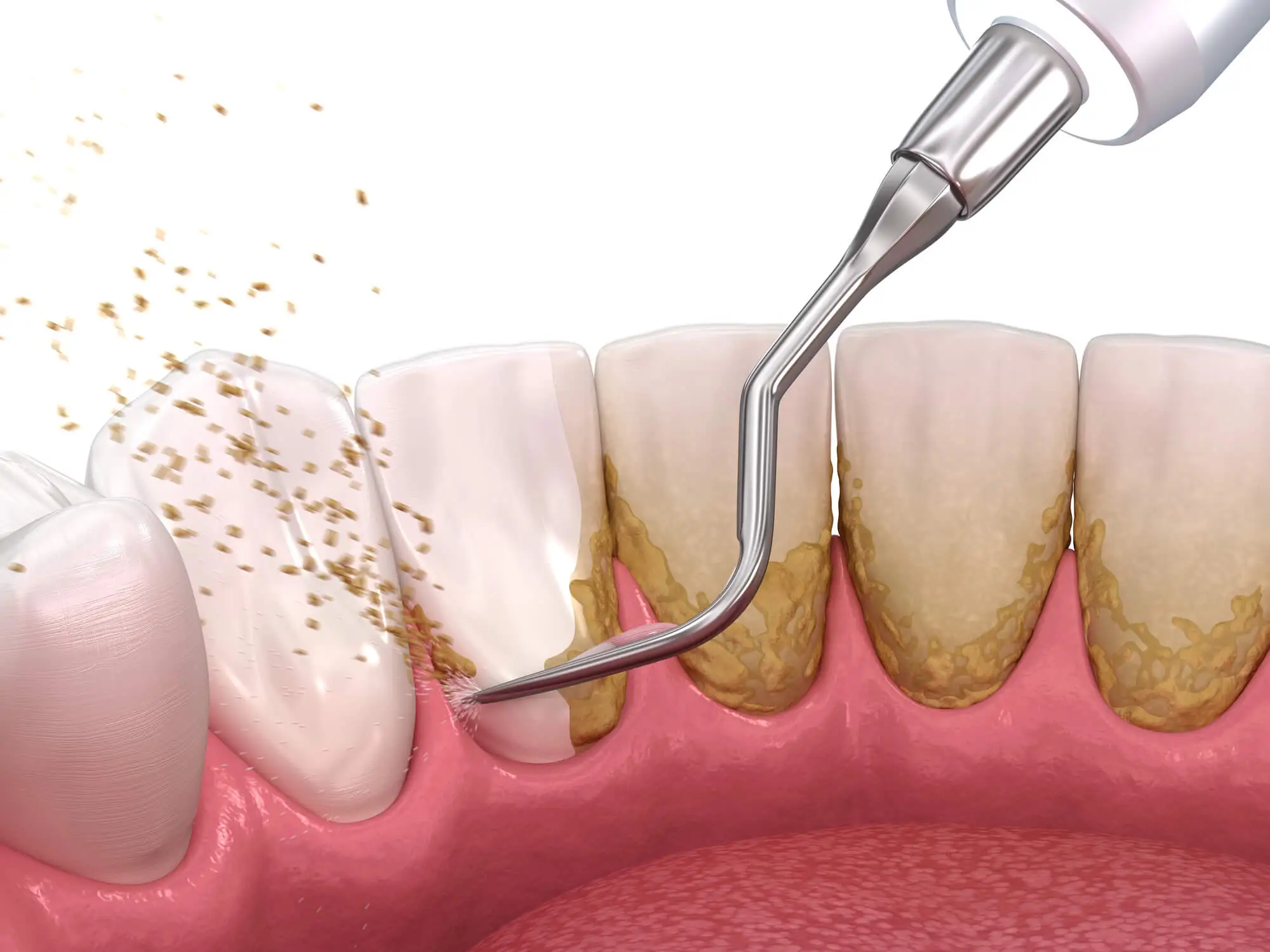
Once the infection reaches below the gum line, deep cleaning procedures are needed:
Scaling and Root Planning
Also known as a deep cleaning, this non-surgical treatment removes plaque and tartar from below the gumline, smoothing root surfaces to help the gums reattach to the tooth.
Locally Applied Antibiotics
Your periodontist may place medication directly into infected pockets to kill bacteria and reduce inflammation.
3. Advanced Periodontitis
At this stage, bone loss and gum recession can threaten the stability of your teeth. Specialized treatments from a periodontist may include:
Laser Gum Therapy
This minimally invasive technique uses precision lasers to eliminate infected tissue and bacteria while stimulating gum regeneration.
Gum Grafting
For patients with exposed roots due to gum recession, grafting restores both function and aesthetics.
Bone Grafting
If periodontitis has led to jawbone deterioration, bone grafts can help regenerate lost tissue—often as a precursor to dental implants.
Pocket Reduction Surgery
Also known as flap surgery, this reduces the depth of periodontal pockets, making it easier to keep the area clean and bacteria-free.
Why Choose a Periodontist for Gum Disease Treatment?
While some treatments may sound similar to those offered at a general dentist’s office, a periodontist provides specialized expertise, precise diagnostics, and advanced surgical and regenerative options. What truly sets a periodontist apart is their ability to preserve your natural teeth for as long as possible, even when severe damage has already occurred.
Restore Your Smile’s Health with Periodontal Scaling and Root Planning
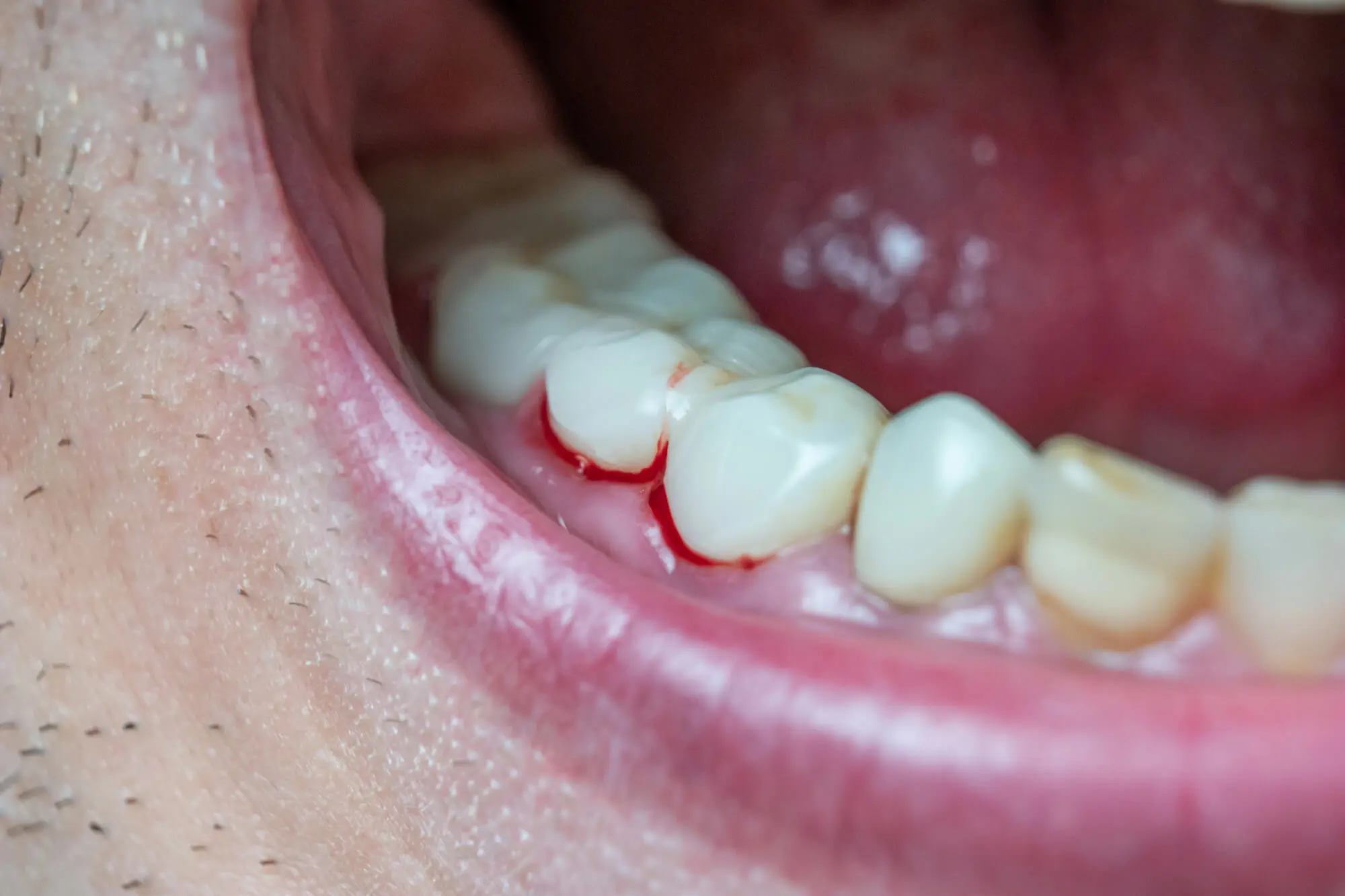
Gum disease is progressive—but it’s also highly treatable when you act early. If you're experiencing signs like gum bleeding, recession, or chronic bad breath, don’t wait. Schedule a consultation with Northport Periodontics and Implant Dentistry today.
Our periodontal experts will help you understand your condition, explore your options, and design a care plan that gets results—without unnecessary surgery or guesswork.