.webp)

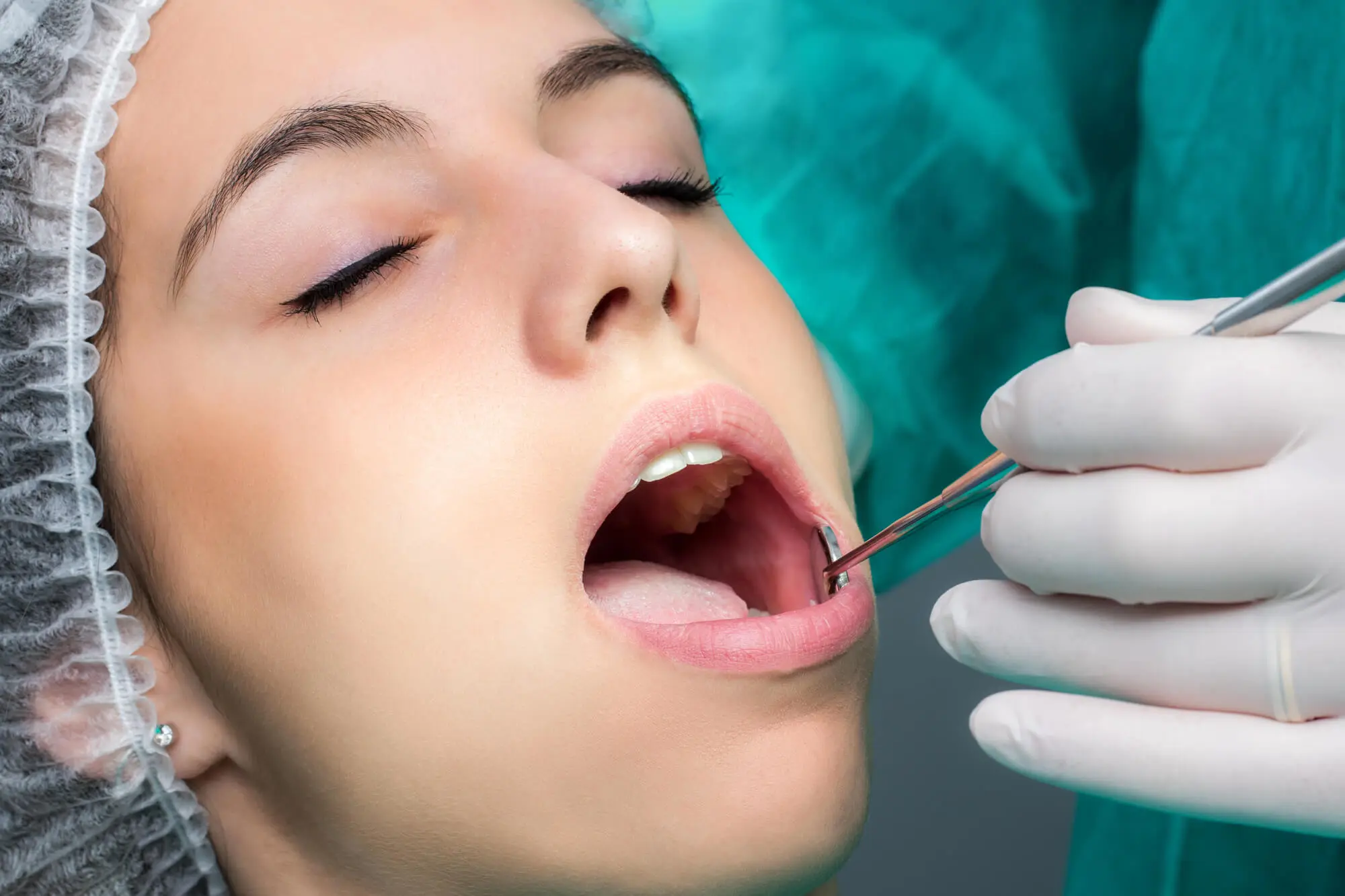
If you’ve battled periodontal disease, you know it’s more than just “gum problems”—it’s an ongoing threat to your smile, your confidence, and your long-term oral health. Even after successful treatment of the disease, damaged gum tissue doesn’t grow back, which means side effects like dental sensitivity, pain, and the threat of tooth loss remain. That’s where a gum graft can help.
By rebuilding what periodontitis has damaged, this procedure helps protect what you’ve worked so hard to save.
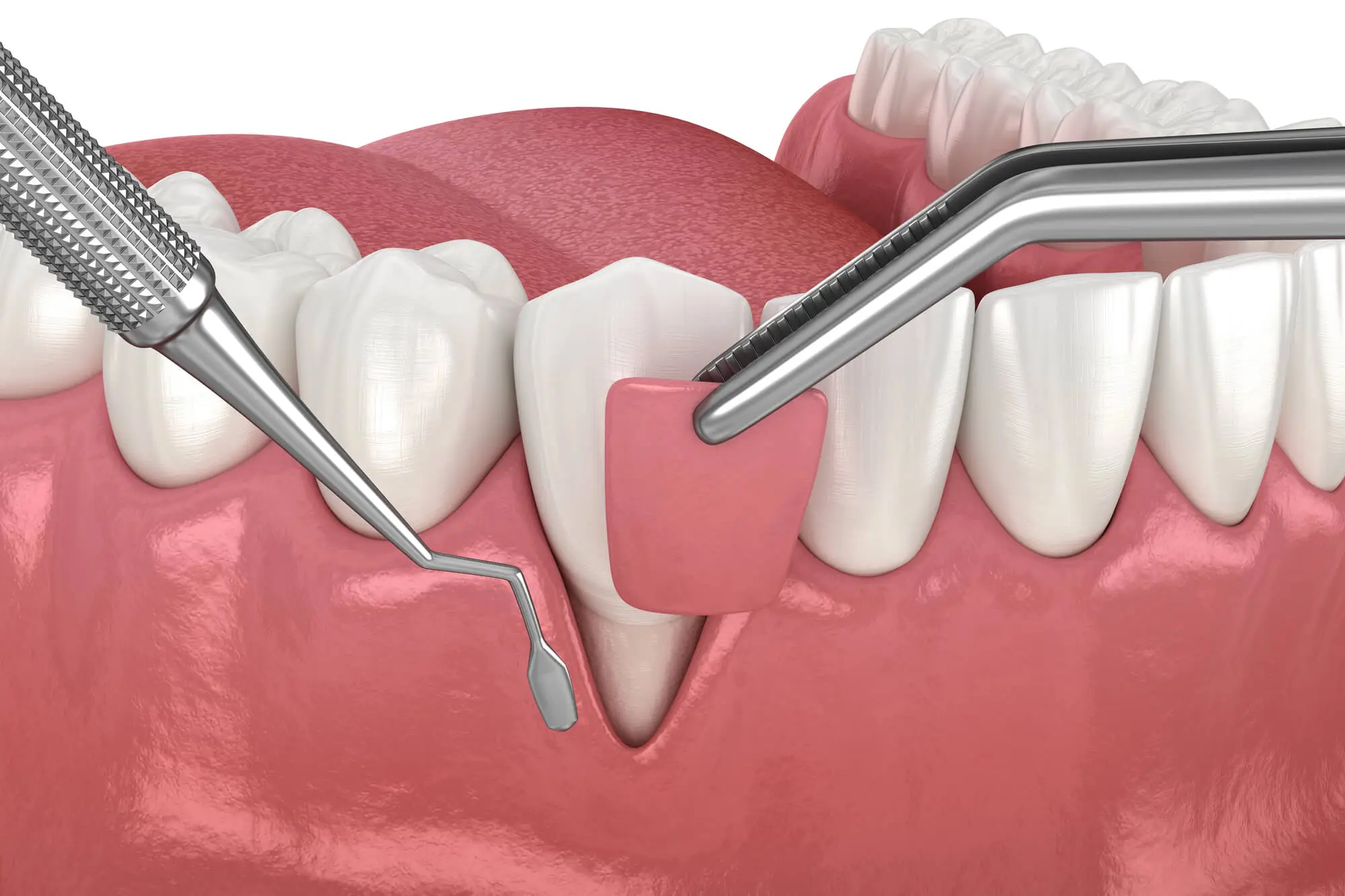
What Is a Gum Graft?
A gum graft is a minor surgical procedure used to repair areas of gum recession, which occurs when gum tissue pulls away from the teeth, exposing the root surface.
During a gum graft, a periodontist or oral surgeon places new tissue (usually from your palate or a donor source) over receded gums. This protects the exposed roots, reducing sensitivity and promoting long-term oral health.
Why Periodontitis Patients Often Need Gum Grafting
Periodontitis (advanced gum disease) leads to the breakdown of the soft tissue and bone that support your teeth. Even if scaling and root planing remove the infection, the damage left behind can make your teeth vulnerable.
If your gums have receded significantly, brushing may become painful, sensitivity may increase, and your teeth may appear "long" or uneven. Gum grafting helps to prevent the progression of this damage, providing both a cosmetic and clinical solution.
Other benefits of a gum graft after periodontal disease include:
Protects Your Teeth from Further Decay and Sensitivity
Unlike the other surfaces of your teeth, tooth roots are not covered by enamel. So, when they become exposed, they are much more prone to decay and pain from hot or cold foods. This causes most patients with a history of periodontitis to experience sensitivity.
A gum graft helps recover the gum tissue that covered these areas, acting as a protective barrier and reducing discomfort.
Strengthens the Foundation for Future Dental Work
Considering dental implants, bridges, or veneers? Healthy, well-positioned gums are crucial for achieving aesthetic results and ensuring implant success.
Grafting helps create a stable, natural-looking gumline, improving the outcome of future procedures.
Restores a Natural, Youthful Smile
Receding gums often create a “toothy” or aging appearance. Gum grafting improves the contour of your smile by restoring symmetry and coverage, which many patients find boosts their self-confidence.
Prevents Further Gum Recession
Once a recession occurs, it can continue without intervention. Gum grafting helps halt this progression, preventing bone loss and further dental complications.
What to Expect from the Procedure
- Before: We’ll assess your gum health, measure recession, and create a custom grafting plan tailored to your needs and goals.
- Duration: Most gum grafts are performed under local anesthesia in approximately 60–90 minutes. Sedation is available for those who prefer extra comfort.
- After: Recovery typically takes 7–14 days. You’ll be given detailed instructions, and we’re always just a phone call away.
Is Gum Grafting Right for You?
If you’ve had periodontal disease and notice sensitivity, exposed roots, or changes in your smile, a gum graft may be the next critical step in your healing journey.
Your gums can’t regenerate on their own—but with the right intervention, they can be rebuilt stronger and healthier than before.

Restore Your Smile with a Gum Graft—And Say Goodbye to Periodontitis’ Side Effects
A gum graft isn’t just about improving how your smile looks: it’s a crucial procedure to undo the damage of gum disease and protect your smile. Besides improving your oral health, this can also enhance your daily comfort, eliminating side effects such as sensitivity, toothache, and shifting teeth.
If you’ve overcome periodontitis, don’t leave the job half-finished. Let us help you complete your recovery with expert gum grafting care. Schedule your consultation today with Northport Periodontics and Implant Dentistry—and experience the difference a board-certified periodontist can make!