.webp)

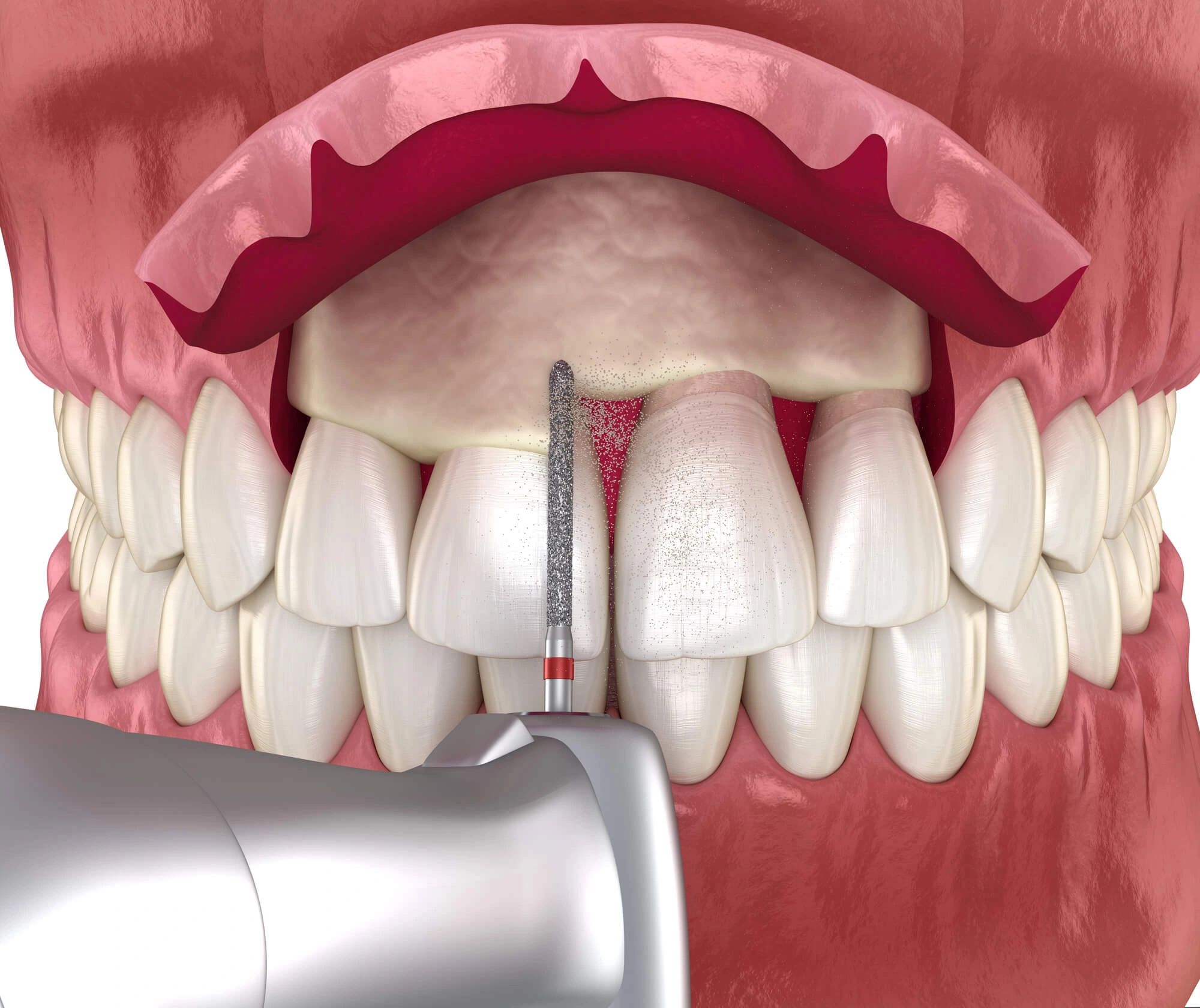
Gum recession is a common dental concern in which the gum tissue gradually pulls away from the teeth, exposing the roots and increasing sensitivity and the risk of decay. Many patients wonder whether this condition can truly be reversed or only managed over time. In advanced cases, a gum graft may be recommended to restore lost gum tissue and protect oral health. Understanding the limits of natural healing is key to choosing the right treatment early.
Can Gum Recession Be Reversed Naturally?
Why Gum Tissue Does Not Regenerate On Its Own
Once gum tissue is lost, the body cannot naturally grow it back. Unlike skin, gum tissue has limited regenerative ability, especially when recession is caused by periodontal disease or long-term irritation. This is why early intervention is important before the condition worsens. Gum tissue is structurally different from other soft tissues in the body because it is firmly attached to the underlying bone and tooth structure. Once these supporting fibers are destroyed, they cannot easily reform without clinical intervention. Factors such as plaque buildup, smoking, and aggressive brushing can accelerate tissue breakdown, making natural recovery even less likely over time.
What Improvement Actually Means
While gum recession cannot be fully reversed naturally, it can be slowed or stabilized. With proper care, further damage can be prevented, but exposed roots typically remain unless treated professionally. In some cases, patients may notice reduced inflammation and improved gum firmness after consistent oral hygiene and professional cleanings. However, these improvements do not replace lost gum tissue but help maintain current gum levels and prevent worsening recession over time.
How Gum Recession Is Treated
Non-Surgical Treatment Options
In mild cases, dentists may focus on controlling the cause of gum recession rather than restoring lost tissue. These methods help stop progression and improve gum health.
Common approaches include:
- Deep cleaning procedures (scaling and root planing)
- Improving brushing technique and using a soft-bristled toothbrush
- Treating gum disease or inflammation
- Night guards for teeth grinding
- Regular professional dental maintenance
Types of Gum Grafts We Perform
When gum recession requires surgical intervention, different gum graft techniques may be recommended depending on the severity of tissue loss and overall gum health:
- Connective Tissue Graft – Uses tissue from beneath the top layer of the palate for root coverage. This is one of the most commonly performed methods and provides strong, long-lasting results for exposed tooth roots.
- Free Gingival Graft – Uses surface tissue to strengthen thin gums. This is often recommended for patients who need additional gum thickness and protection against further recession.
- Donor Tissue Graft – Uses processed donor tissue for a less invasive experience. This option avoids harvesting tissue from the palate and can result in a more comfortable healing process for some patients.

Restore Your Gum Health and Protect Your Smile with a Gum Graft
If you are experiencing gum recession, early treatment can make a significant difference in preventing further damage and preserving your natural teeth. A gum graft can help rebuild lost tissue, reduce sensitivity, and restore confidence in your smile. Do not wait until the condition worsens.
Schedule your appointment now at Northport Periodontics and Implant Dentistry to get a personalized evaluation and explore the best treatment options for your gum health.