.webp)


If you feel self-conscious because too much of your gums show when you smile, you're not alone. For many patients, crown lengthening is an effective treatment that improves the balance between the teeth and gums, creating a more proportionate and confident smile. In addition to cosmetic benefits, the procedure can also support long-term oral health and restorative dental care.

What Is a Gummy Smile?
A gummy smile occurs when an excessive amount of gum tissue is visible above the upper teeth while smiling. In some cases, the teeth appear shorter than they actually are because they are partially covered by gum tissue.
Several factors can contribute to a gummy smile, including:
- Excess gum tissue
- Naturally short-looking teeth
- Teeth that did not fully erupt
- The position of the upper lip
- Differences in jaw development
A comprehensive periodontal evaluation helps determine the underlying cause and whether crown lengthening is the most appropriate treatment option.
What Determines How Much Gum Shows?
The amount of gum visible when you smile can vary from person to person. Your teeth, gums, lips, and jaw all influence your smile's appearance. Even a small difference in gum coverage can make the teeth appear shorter or create a less balanced gumline.
A periodontal evaluation can help identify which factors are contributing to your gummy smile.
How Crown Lengthening Improves Your Smile
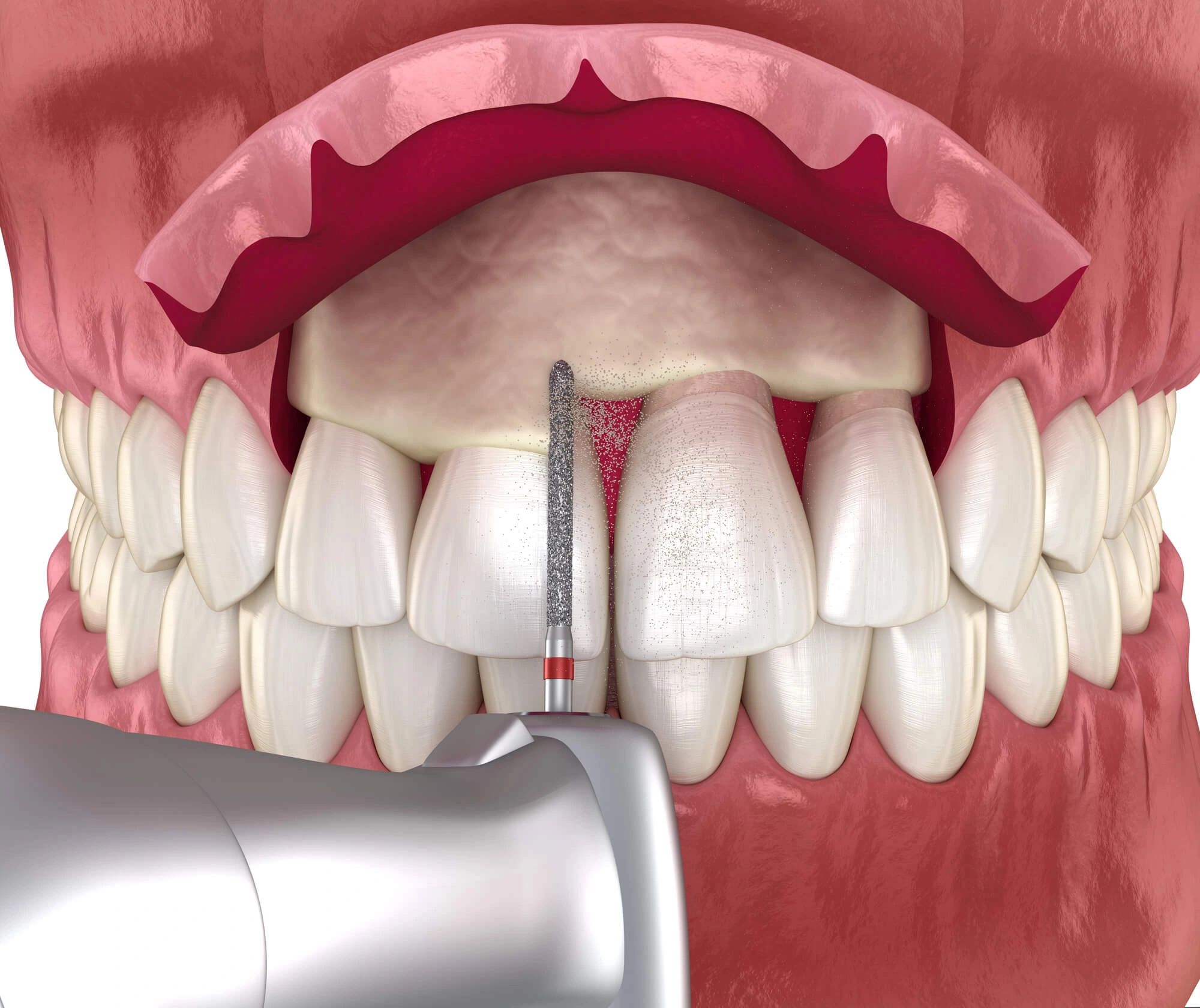
Crown lengthening is a periodontal procedure that carefully reshapes excess gum tissue and, when necessary, adjusts the underlying bone to expose more of the natural tooth structure. The goal is to create a healthier, more balanced gumline that complements your smile.
Patients often choose crown lengthening because it can:
- Improve the appearance of a gummy smile
- Reveal more of the natural tooth surface
- Create a more symmetrical gumline
- Enhance smile confidence
- Support better access for oral hygiene
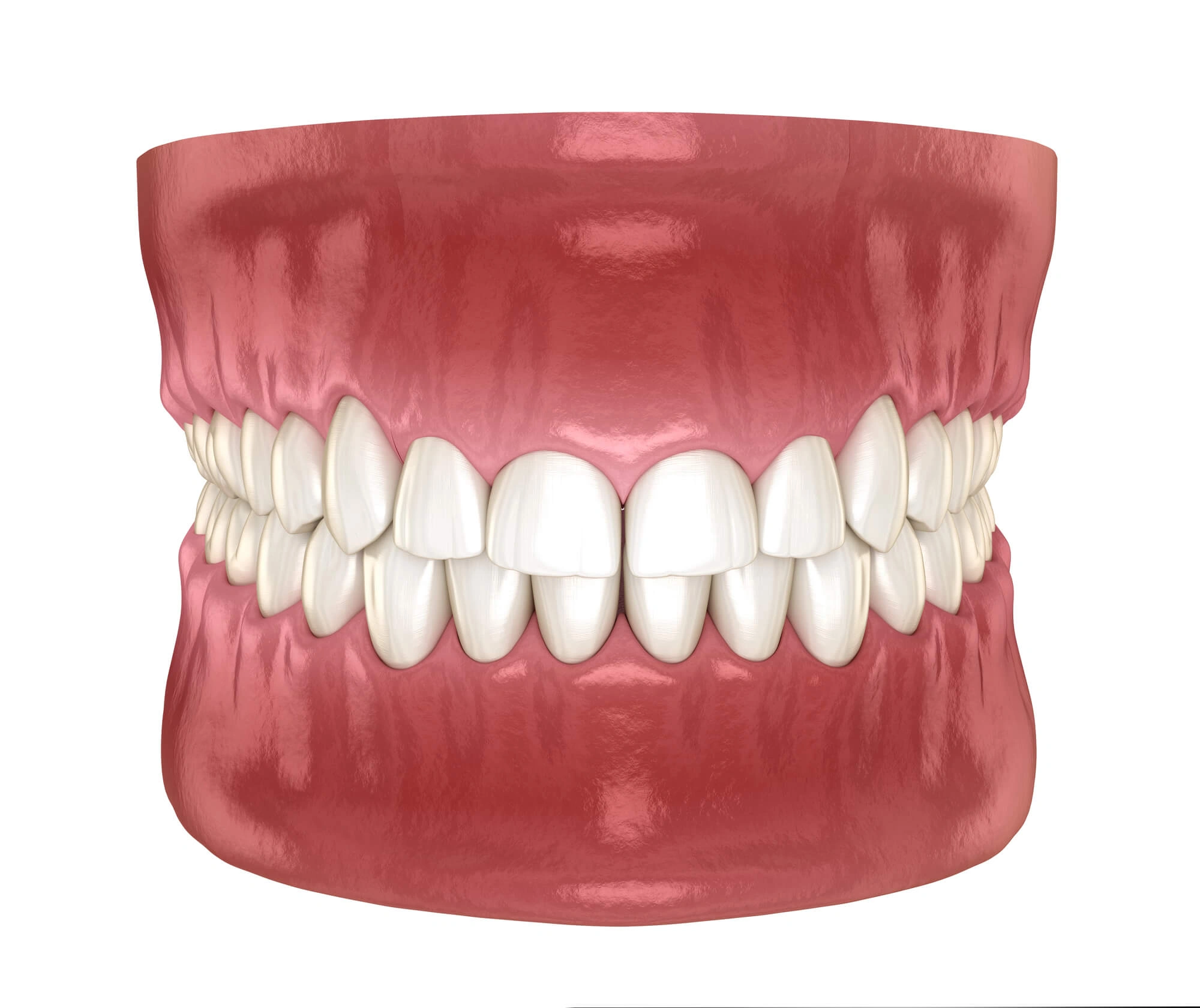
The result is a more natural-looking smile without changing the actual size of your teeth.
How Is Crown Lengthening Performed?
Crown lengthening involves carefully reshaping the gumline to expose more of the natural tooth. In some cases, a small amount of underlying bone may also need to be adjusted.
The procedure is performed with local anesthesia, helping keep you comfortable throughout treatment. Your periodontist will remove only the amount of tissue needed to create a healthier and more proportionate gumline.
How Much Gum Tissue Is Removed?
The amount of gum tissue removed depends on your individual smile and the amount of tooth structure that needs to be exposed. Crown lengthening is carefully planned rather than using the same approach for every patient.
Your periodontist will consider the shape of your teeth, gumline, and surrounding tissues to create a natural-looking result.
Cosmetic and Functional Benefits
Although many people seek crown lengthening for cosmetic reasons, the procedure also offers important functional advantages. In some cases, a tooth may not have enough exposed structure to support a dental crown or other restoration due to decay, damage, or a fracture below the gumline.
Crown lengthening can provide additional tooth structure, making restorative treatment more predictable and durable. It may also make it easier to keep the gumline clean, helping reduce the risk of plaque buildup and periodontal concerns.
Can Crown Lengthening Improve Tooth Proportions?
Crown lengthening can make teeth appear longer by exposing tooth structure that was previously covered by gum tissue. This can improve the visual relationship between the teeth and gums.
Creating more balanced proportions may be particularly helpful when excessive gum tissue makes otherwise normally sized teeth look unusually short.
When Is Crown Lengthening Used for Dental Restorations?
Crown lengthening isn't limited to cosmetic treatment. It may also be recommended when decay, damage, or a fracture extends below the gumline.
By exposing more healthy tooth structure, the procedure can give your dentist better access to the tooth and create enough room for a crown or other restoration.
Who May Benefit From Crown Lengthening?
Patients with excessive gum tissue or teeth that appear short because they are partially covered by the gums may benefit from crown lengthening.
However, treatment isn't appropriate for every gummy smile. A periodontist must first determine the underlying cause and evaluate the health of the teeth and gums before recommending the procedure.
Does Crown Lengthening Permanently Change the Gumline?
Crown lengthening can create a long-lasting change to the position and appearance of the gumline. However, the final result depends on factors such as the patient's anatomy, healing process, and the original cause of the gummy smile.
Following your periodontist's aftercare instructions is important for protecting the results.
What to Expect During Recovery
Recovery following crown lengthening is generally straightforward. Mild swelling or tenderness is common for the first few days and can usually be managed with recommended medications and proper home care.
During healing, your periodontist may recommend:
- Eating soft foods for several days
- Avoiding strenuous activity immediately after treatment
- Keeping the surgical area clean according to instructions
- Attending follow-up appointments to monitor healing
Most patients return to their normal routines quickly while the gums continue to heal and mature over the following weeks.
When Will You See the Final Results?
Your smile may look different immediately after crown lengthening, but the gum tissue needs time to heal and settle into its new position. Swelling can also temporarily affect the appearance of the treatment area.
As healing progresses, the gumline becomes more defined. Follow-up visits allow your periodontist to monitor healing and evaluate the developing result.
Frequently Asked Questions
Does crown lengthening make teeth look longer?
Yes. Removing excess gum tissue exposes more of the natural tooth, which can make the teeth appear longer and create a more balanced smile.
Is crown lengthening painful?
Local anesthesia is used during treatment to keep you comfortable. Some tenderness or swelling may occur afterward but is generally temporary.
How long does crown lengthening take to heal?
Initial healing occurs over the first several days and weeks, while the gumline may continue to mature over a longer period.
Can crown lengthening help with oral hygiene?
In some cases, reshaping excessive gum tissue can make certain areas easier to clean, supporting better oral hygiene.
Does every gummy smile require crown lengthening?
No. Gummy smiles can have different causes. A periodontal evaluation can determine whether crown lengthening is an appropriate treatment option.
Learn More About Crown Lengthening
If you're unhappy with the appearance of a gummy smile or need additional tooth structure before restorative treatment, crown lengthening may be an effective solution. By reshaping the gumline and creating better tooth exposure, this procedure can improve both aesthetics and oral function while supporting long-term dental health.
At Northport Periodontics and Implant Dentistry, patients receive personalized periodontal care tailored to their unique goals and oral health needs. As one of only two periodontics practices in West Alabama and home to the area's only board-certified periodontist, the practice is dedicated to providing expert care in a welcoming environment. Schedule a consultation to learn whether crown lengthening is the right option for your smile.