.webp)


Periodontist
If your gums bleed when you brush, feel swollen or tender, or your breath never seems fresh, it may be time for a closer look. Gum disease often starts quietly — early symptoms are easy to dismiss until changes in comfort or tooth support become harder to ignore. Our Tuscaloosa-area team can help identify what's happening beneath the gumline and recommend the gum disease treatment that fits your situation.
At Northport Periodontics & Implant Dentistry, we provide advanced, personalized gum disease treatment focused on long-term gum health and tooth stability for patients throughout Tuscaloosa and the surrounding area.
If you're looking for effective gum disease treatment in Tuscaloosa, Dr. Liu and our team offer both non-surgical and surgical periodontal therapies, along with ongoing maintenance to keep your gums healthy over time.
What Gum Disease Treatment Addresses
Periodontal treatment focuses on the tissues and bone that support your teeth. When plaque and bacteria build up along the gumline, inflammation can develop and create deeper pockets around the teeth. Over time, these pockets may trap more bacteria, increasing the risk of gum recession and bone loss.
Gum disease treatment focuses on the tissues and bone that support your teeth. When plaque and bacteria build up along the gumline, inflammation develops and creates deeper pockets around the teeth. Left unaddressed, these pockets trap more bacteria, increasing the risk of gum recession and bone loss.
An evaluation with our Tuscaloosa periodontal team includes periodontal measurements, X-rays, and a clinical exam — not assumptions. Your gum disease treatment plan is tailored to your gum health, the depth of infection, and how your gums respond to care.
Non-Surgical Gum Disease Treatment
Not every case of gum disease requires surgery. In many situations, non-surgical treatment is the first step to reduce inflammation and support healthier gum attachment.
Scaling and Root Planing (Deep Cleaning)Scaling and root planing is a deep cleaning that removes plaque and bacteria from below the gumline — buildup routine cleanings can't reach — helping gums begin to heal and tighten around the teeth.
Antibacterial TherapyIn some cases, antibacterial rinses or localized medications help reduce bacteria during healing. This may be included as part of a broader gum disease treatment plan depending on your findings.
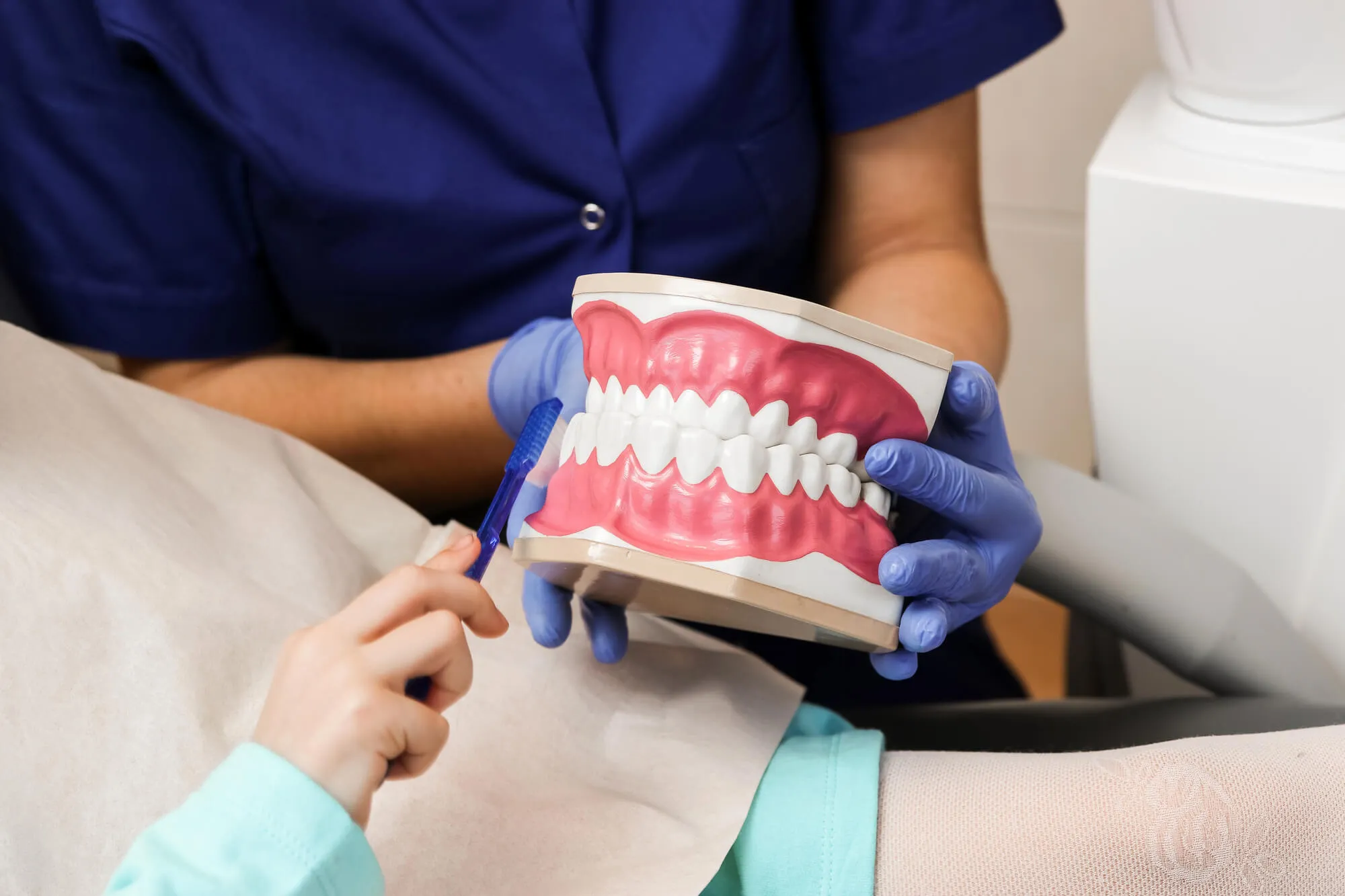
Surgical Gum Disease Treatment
When gum pockets are deep or bone support has already been affected, surgical care may be needed to manage infection directly and improve gum stability.
Pocket Reduction SurgeryPocket reduction surgery accesses deeper areas under the gums to remove bacteria and infected tissue, making the gumline easier to keep clean at home and during maintenance visits.
Bone GraftingBone grafting may be recommended when bone loss has occurred due to advanced gum disease. This supports jawbone structure and can improve tooth support where the foundation has weakened.
If you need surgical gum disease treatment, working with an experienced Tuscaloosa periodontist gives you access to detailed planning, careful monitoring, and a clear understanding of what the procedure involves.
Ongoing Gum Disease Maintenance
After treatment, regular periodontal maintenance visits are typically recommended every few months to support gum health and reduce the chance of disease returning. Maintenance focuses on monitoring pocket depth, controlling bacteria, and keeping hard-to-reach areas clean.
This ongoing care is one of the most important steps in protecting your results long-term, especially if you've previously experienced gum inflammation or bone loss.
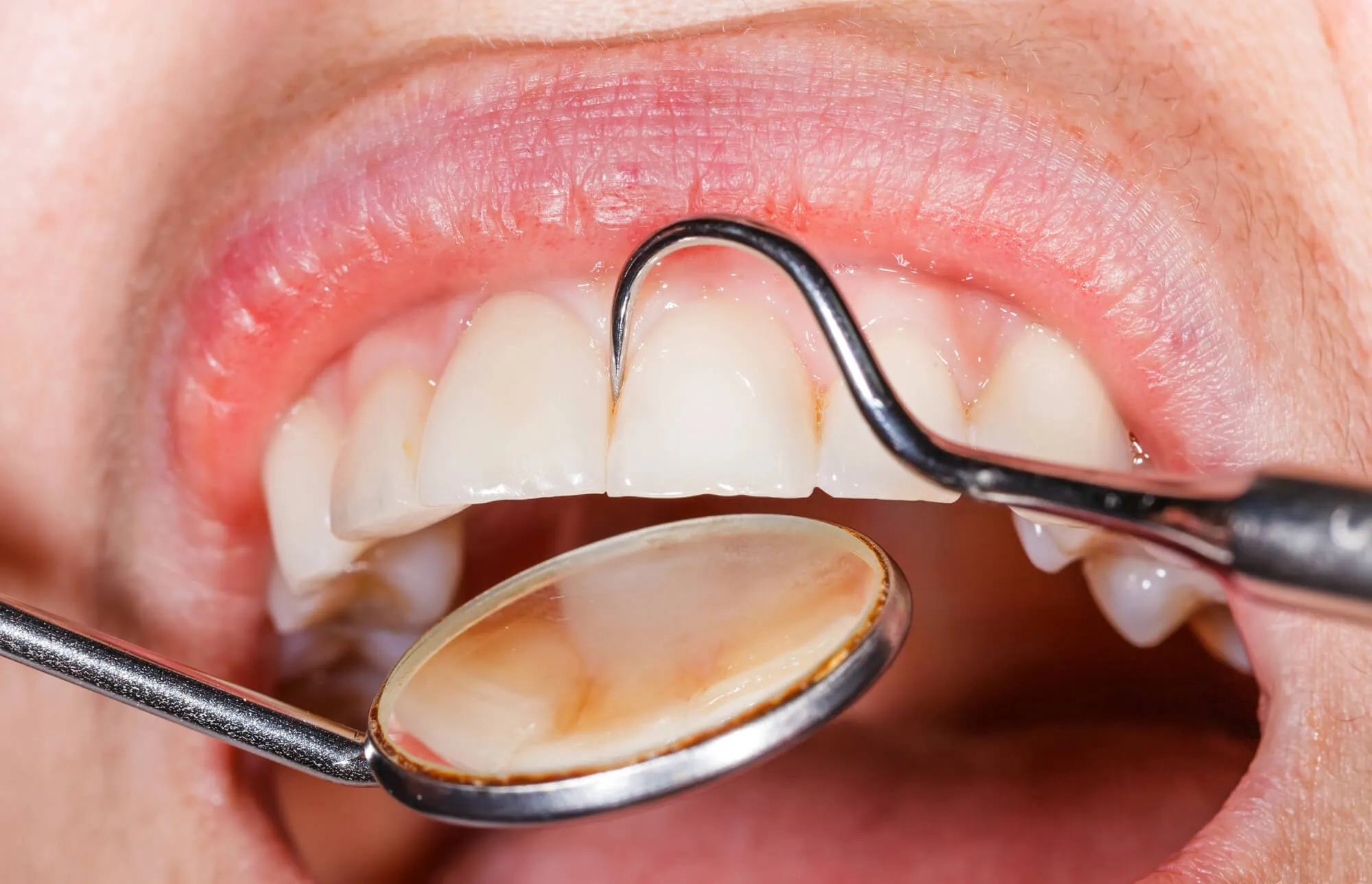
Schedule a Visit with an Experienced Periodontist in Tuscaloosa
If you’ve noticed bleeding gums, gum recession, or discomfort when chewing, don’t wait for symptoms to worsen. Contact Northport Periodontics & Implant Dentistry to schedule a consultation with our periodontist and learn what periodontal treatment options may fit your needs.
Frequently Asked Questions
How do I know if I need gum disease treatment?
Common signs include bleeding when brushing or flossing, swollen or tender gums, persistent bad breath, receding gums, or teeth that feel loose. A periodontal evaluation can confirm whether treatment is needed and which type.
Is gum disease treatment painful?
Non-surgical treatments like scaling and root planing are typically done with local anesthesia for comfort. Surgical treatments are also performed under anesthesia, with manageable soreness during recovery.
Can gum disease be reversed?
Early-stage gum disease (gingivitis) can often be reversed with professional cleaning and improved home care. More advanced periodontal disease can be controlled and stabilized, though some bone or tissue loss may not be fully reversible.
How often will I need maintenance visits after treatment?
Most patients return every three to four months for periodontal maintenance, though your periodontist may recommend a different schedule based on your gum health.